How to Write a Resume: We Know All the Secrets of 2025

Finding a job in 2025 is a challenge, but writing a strong resume is half the battle won. The rules of resume writing have changed: employers now expect personalization, ATS systems filter applications with precision, and career paths are more diverse than ever. A generic resume is no longer enough—you need a document that demonstrates value, relevance, and adaptability.
In this guide, we’ll share insider strategies: from tailoring resume content and applying resume adaptation strategies to using resume personalization guides and modern AI tools. By the end, you’ll know every secret of crafting tailored resumes that get noticed in 2025.
Why Tailoring Your Resume Is Non-Negotiable
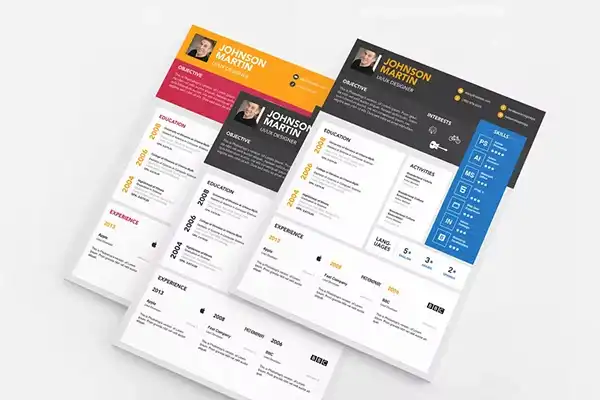
Sending the same resume to every employer is a mistake. Recruiters can instantly spot a generic application, and ATS algorithms automatically push it to the bottom of the pile.
- Tailoring resume content helps your application match the job requirements precisely.
- Resume customization for job roles signals that you’ve done your research and care about the opportunity.
- Job-specific resume writing boosts your chances of passing both digital and human filters.
Fact: Candidates who customize their resumes are 40% more likely to land an interview compared to those who submit identical versions everywhere.
How ATS Shapes Resume Writing in 2025
Applicant Tracking Systems (ATS) are now sophisticated enough to read context, detect related terms, and even measure clarity. They don’t just look for “keywords”—they evaluate how well your experience aligns with a role.
Resume Adaptation Strategies for ATS
- Mirror the job posting: Use the employer’s own phrasing for skills and qualifications.
- Integrate keywords naturally: Don’t dump keywords in lists; place them within achievements.
- Keep formatting simple: ATS may still struggle with charts, graphics, or unusual fonts.
- Leverage synonyms: If the job says “project management,” include both “project coordination” and “project leadership” if relevant.
The goal is resume alignment with job requirements, ensuring the ATS finds a perfect match between your skills and the employer’s needs.
The Resume Format That Works for Everyone
In 2025, the most effective formats remain reverse-chronological and hybrid resumes.
- Reverse-chronological: Perfect for professionals with steady career growth.
- Hybrid (combination): Great for career changers or those with diverse experiences.
Formatting Essentials
- Font: Arial, Calibri, or Times New Roman, size 10–12.
- Headings: Standardized (Experience, Education, Skills).
- Length: 1 page for students and early-career; 2 pages for seasoned professionals.
- File type: PDF (unless job ad specifies Word).
Recruiters spend only 6–8 seconds on a first scan. Clear formatting ensures they catch your strengths immediately.
Tailoring Content: Turning Job Ads Into Your Roadmap
Every job posting is essentially a cheat sheet for what the employer wants. Use it to guide resume targeting techniques.
Steps to Craft a Tailored Resume
- Highlight required skills and keywords in the job description.
- Match your most relevant experiences to those keywords.
- Place them strategically in your summary, work experience, and skills sections.
- Use resume modification for applications to create multiple versions adapted to different roles.
Example:
- Job ad: “Looking for a data analyst with Python expertise and experience in business intelligence tools.”
-
Tailored bullet point: “Developed automated Python dashboards integrating BI tools, cutting reporting time by 25%.”
This shows resume alignment with job requirements while proving impact.
Avoid Empty Buzzwords—Show Real Results
Words like “hard-working”, “motivated”, or “results-driven” don’t impress employers. Instead, use resume refinement for positions by highlighting measurable outcomes.
Before vs. After
- ❌ “Responsible for managing team projects.”
- ✅ “Led a team of 5 to deliver projects two weeks early, saving the company $50,000.”
Quantified achievements demonstrate value far better than vague descriptions.
Building the Core Sections of Your Resume
Professional Summary
A 2–3 sentence introduction at the top.
Example:
Work Experience
- Use reverse-chronological order.
- Start bullets with strong action verbs: led, designed, implemented, achieved.
- Emphasize relevance with resume adjustment methods.
Skills
- Hard skills (technical abilities).
- Soft skills (communication, leadership).
- Insert keywords naturally—this is where resume customization tips shine.
Education & Certifications
- Always include degree, institution, and year.
- Add certifications (e.g., PMP, AWS, CPA) to increase credibility.
Projects / Portfolio
- Ideal for students, graduates, and creatives.
- Show examples of your work with links when possible.
Personalized Resume Examples Across Industries
Technology & IT
- Focus on programming languages, frameworks, and tools.
- Example: “Developed an app in React that improved customer retention by 30%.”
Healthcare
- Highlight patient outcomes, certifications, and compliance.
- Example: “Provided direct care to 25+ patients daily, maintaining a 98% satisfaction rating.”
Finance
- Stress numerical achievements and accuracy.
- Example: “Reduced reporting errors by 20% through implementing new auditing procedures.”
Marketing & Media
- Show creativity and measurable results.
- Example: “Created a campaign that boosted brand visibility by 200% on Instagram.”
These personalized resume examples demonstrate how effective resume tailoring works in practice.
Resume Personalization Guide: Who Needs What
Different groups of job seekers need different resume adaptation strategies.
- Students / Recent Graduates: Emphasize education, projects, and transferable skills.
- Career Changers: Highlight soft skills and relevant projects; downplay unrelated jobs.
- Professionals: Focus on measurable achievements and leadership examples.
- Executives: Stress strategy, vision, and impact at organizational level.
Common Mistakes That Hurt Your Resume
- Using one resume for every job.
- Overloading with buzzwords and jargon.
- Leaving out results or metrics.
- Formatting with complex graphics that ATS cannot read.
- Typos and inconsistencies in tense or formatting.
❌ Wrong: “Worked on many projects with good results.”
✅ Right: “Delivered 10+ projects within budget and deadlines, increasing client satisfaction scores by 25%.”
Using Technology and AI Wisely
2025 resumes can benefit from AI—but with caution.
- Tools like Jobscan and Kickresume optimize resume targeting techniques.
- AI assistants can generate drafts but require manual refinement for authenticity.
- New tools like ResumeFlow customize resumes at scale—ideal for frequent applicants.
Studies suggest that AI-assisted resumes improve hiring chances by 8–10%, but recruiters prefer resumes that still show a human touch.
Resume Trends Defining 2025
The world of work is evolving fast. Here’s what matters this year:
- Hyper-tailoring: One resume per role, no exceptions.
- Skills-first resumes: Skills often matter more than job titles.
- AI analysis: ATS systems evaluate tone and context, not just keywords.
- Video and digital portfolios: Becoming a strong complement to resumes.
- Sustainability and ethics: Some industries value alignment with ESG principles.
Final Polish: Review and Refine
Before hitting “send,” ask yourself:
- Does my resume show resume alignment with job requirements?
- Are there quantifiable results in every section?
- Did I apply resume adjustment methods to eliminate fluff?
- Have I checked spelling, grammar, and consistency?
A polished resume reflects professionalism. Small mistakes can cost big opportunities.
Conclusion
Writing a resume in 2025 requires more than listing jobs—it’s about resume adaptation strategies, resume targeting techniques, and effective resume tailoring that showcase your value clearly. With ATS-friendly formatting, personalized examples, and measurable results, you’ll stand out in a sea of applicants.
Your resume is not just a document—it’s your personal brand. Invest time in resume customization tips, refine your presentation, and adapt every detail for each role. When you do, you’re not just applying for jobs—you’re shaping your future career.